
Shoulder stiffness can make everyday activities, such as getting dressed, reaching overhead or combing your hair, surprisingly difficult. One possible cause is frozen shoulder, a condition that gradually restricts shoulder movement and may cause persistent pain.
Recognising the symptoms early and seeking appropriate medical advice can help you understand the condition and explore suitable treatment options.
What Is Frozen Shoulder?
Frozen shoulder, medically known as adhesive capsulitis, occurs when the connective tissue surrounding the shoulder joint becomes thickened and tight. This restricts movement and can cause pain, particularly when moving the arm.
The condition usually develops gradually and may take months or longer to improve. It is more common among people aged 40-60 and those with diabetes. Shoulder movement may also become restricted after an injury or a period of immobilisation.
Common Symptoms of Frozen Shoulder
Frozen shoulder typically develops in stages, and symptoms can vary between individuals.
- Shoulder pain: A dull or aching pain that may worsen at night or when moving the arm.
- Stiffness: Difficulty reaching overhead, reaching behind your back or moving your arm away from your body.
- Restricted movement: Both independent arm movement and movement assisted by another person may become difficult.
- Sleep disturbances: Shoulder discomfort may make it difficult to sleep comfortably, particularly on the affected side.
What Causes Frozen Shoulder?
The exact cause is not always clear. However, the condition may develop after shoulder surgery, an injury or prolonged immobilisation. Diabetes and certain thyroid disorders are also associated with a higher risk.
Persistent shoulder stiffness should not automatically be assumed to be frozen shoulder, as arthritis, rotator cuff problems and other conditions can cause similar symptoms.
When Should You Seek Medical Care?
Consult a doctor if shoulder pain persists, stiffness interferes with daily activities or your range of movement continues to decrease.
Seek urgent medical attention if shoulder pain follows a serious injury or occurs with chest pain, breathlessness or sudden weakness.
Diagnosis generally involves reviewing your symptoms, examining shoulder movement and, when necessary, recommending imaging tests to rule out other conditions.
Treatment and Recovery
Treatment may include physiotherapy, gentle range-of-motion exercises and pain-relief medication recommended by a healthcare professional. In some cases, injections or other procedures may be considered.
Avoid forcing painful movements or starting intensive exercises without professional guidance, as the appropriate approach depends on your condition.
Joint Care at Sahayog Hospital Gurugram
Timely assessment can help identify the cause of shoulder stiffness and guide appropriate treatment. When exploring Best Joint Care in Gurugram, consider the specialist's experience, diagnostic facilities and rehabilitation support. Patients comparing hospitals in Gurugram or hospitals in Sector 46 Gurugram can also ask about available orthopaedic services and personalised treatment plans.
Frequently Asked Questions (FAQs)
Can frozen shoulder heal on its own?
It may gradually improve, but recovery can take months or longer. Appropriate treatment can help manage symptoms and restore movement.
Who is more likely to develop frozen shoulder?
People aged 40-60, particularly those with diabetes or certain thyroid disorders, have a higher risk.
Is exercise helpful for frozen shoulder?
Gentle, appropriate exercises can help improve movement. Follow a healthcare professional's advice and avoid forcing painful movements.
How is frozen shoulder diagnosed?
Diagnosis usually involves a physical examination and assessment of shoulder movement. Imaging may be recommended to exclude other conditions.
When should I see a doctor for shoulder stiffness?
Seek medical advice if pain persists, movement becomes increasingly restricted or daily activities are affected.
Latest Blogs

How Regular Dental Checkups Can Improve Your Overall Health
10th Nov, 2026

Heart Disease Prevention: Lifestyle Changes That Protect Your Heart
14th Nov, 2026

Heavy or Irregular Periods: When Should You See a Gynaecologist?
9th Nov, 2026

Why Regular Health Checkups Matter Even When You Feel Healthy
12th Aug, 2026
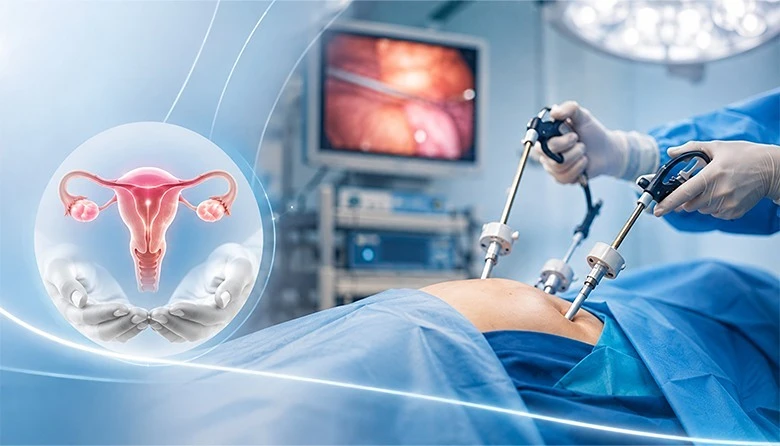
Is Minimally Invasive Surgery Right for You?
10th Aug, 2026

Thyroid Disorders Explained: Symptoms You Shouldn't Ignore
13th Jun, 2026
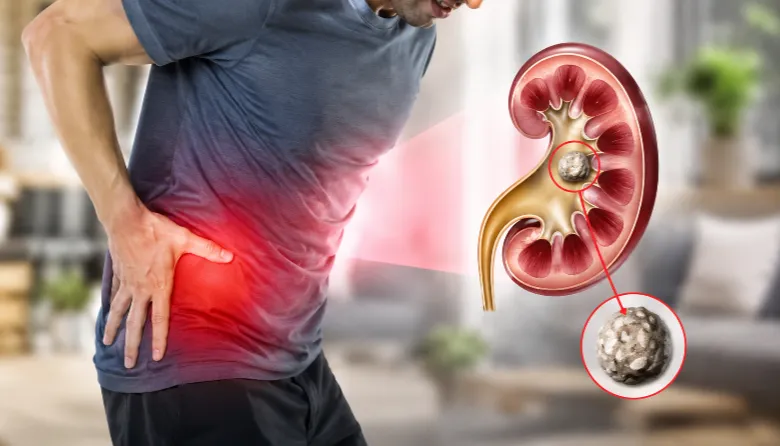
Managing Kidney Stones: When Drinking Water Is Not Enough
13th Jun, 2026
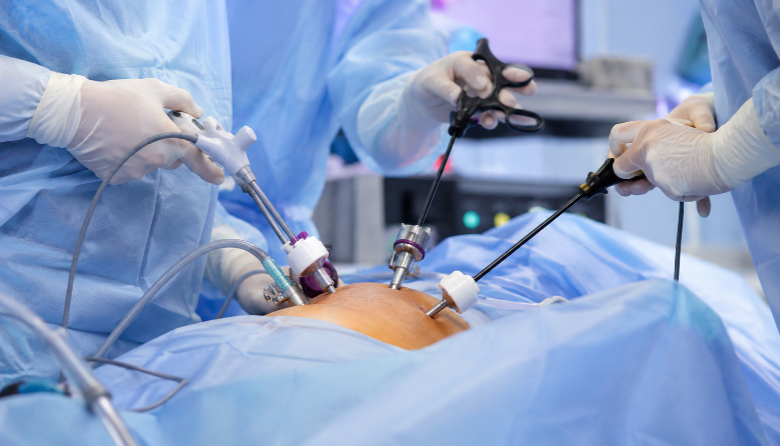
Gynaecology Surgeries Made Easier: Benefits of Laparoscopic Techniques
2nd Jun, 2026

7 Warning Signs of Heart Trouble You Should Never Ignore
2nd Jun, 2026